🏫 JIGJIGA SECONDARY SCHOOL STUDENT MANAGEMENT SYSTEM (JSS-SMS)

Inspire → Educate → Empower

Education is the passport to the future, for tomorrow belongs to those who prepare for it today. Education is not the filling of a pail, but rather the lighting of a fire

🌟 JIGJIGA SECONDARY SCHOOL, OUR LIGHT 🌟

Pedagogy

The method and practice of teaching...

Curriculum

The subjects and topics taught in a school...

Literacy

The ability to read and write..

Methodology

A systematic approach or set of techniques used in teaching or research....

Analyze

To examine something in detail to understand its components...

Evaluate

To assess the value, quality, or importance of something...

Learn About Us

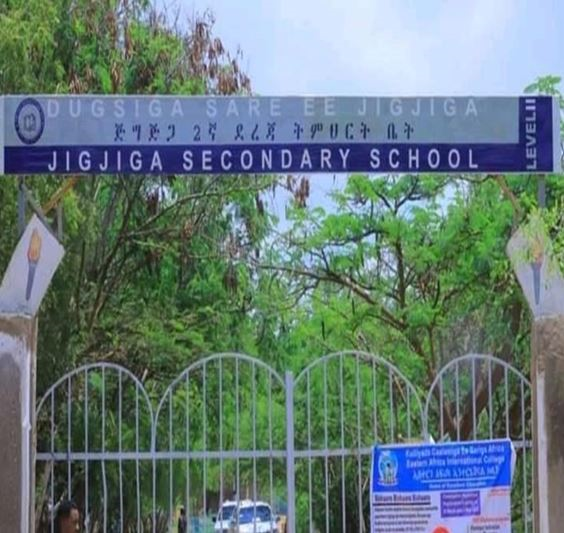
Jigjiga Secondary School

Jigjiga Secondary School was established in 1954 E.C. as one of the earliest modern schools in the region. Since its founding, the school has been dedicated to providing quality education and nurturing young minds. It offers classes from Grade 9 up to Grade 12, serving as a cornerstone of secondary education in the community and contributing significantly to the development of the area.

  • School Name: Jigjiga Secondary School
  • Establishment Year: 1954 E.C.
  • Grade Levels: 9 – 12
Jigjiga Secondary School Overview
Section Details
Background Established in 1954 E.C., initially as a primary school with 36 male students. Upgraded to high school in 1964 E.C. and later became secondary and preparatory school.
Vision Being nationally outstanding and standard center of academic excellence in Secondary & Preparatory Education.
Mission Prepare highly qualified, productive, problem-solving, socially interactive, and competent citizens.
Objectives Ensure quality education, equity, relevance, and produce citizens who accelerate national development.
Aims Provide quality education, ensure equity, expand coverage, improve relevance, and produce quality human capital.
Values Innovative, curiosity, responsibility, transparency, accountability, participatory, professional ethics, human dignity & fairness, promote education quality, diversity equality, teamwork, communication, program ownership.
Budget Sources Government, student parents and community, non-governmental organizations.
Facilities Electricity, 22 plasma TVs, adequate space, separate latrines, 28 classrooms. Needs: lab equipment, chemicals, pedagogical center, library, ICT center, more teachers.
Organization PTA, departments, government wing, community wing, party wing. Developmental organization still needs strengthening for effective education quality programs.
Domain 1: School Leadership and Management (30%)
Strengths Weaknesses
  • The leader actively involves teachers in school leadership and management.
  • The school improvement committee is established and active.
  • The school has a clearly defined mission, vision, and core values communicated effectively.
  • The school leader uses modern communication platforms like Telegram and WhatsApp effectively.
  • Leaders provide regular feedback to teachers to support professional growth.
  • The school practices continuous self-evaluation with stakeholder involvement.
  • The leader has prepared an annual school improvement plan.
  • The leader does not establish a system that enhances teachers' leadership skills.
  • No system in place to develop students' leadership skills.
  • The leader does not fully implement leadership development for students and teachers.
  • Some leadership development initiatives are irregular or incomplete.
  • Teacher motivation system implementation is inconsistent at times.
  • Leadership sometimes struggles to maintain sustained follow-up on plans.
  • The leader has developed a three-year school improvement plan.
School Assessment
Domain 2: Learning and Teaching (29%)
Strengths Weaknesses
  • Teachers are committed to lesson planning and follow a structured curriculum.
  • The school promotes active student participation in classroom activities and clubs.
  • Teachers regularly collaborate to review curriculum materials and share best practices.
  • Continuous assessment and feedback mechanisms are being implemented.
  • Some teachers rely heavily on traditional lecture methods, limiting student engagement.
  • Limited use of modern educational technologies in lessons.
  • Remedial support programs for low-achieving students are insufficient or inconsistently applied.
  • Teacher training on inclusive and learner-centered methods needs improvement.
Domain 3: Comfortable and Peaceful Learning Environment (30%)
Strengths Weaknesses
  • The school grounds are safe with partial fencing and some access control.
  • The school has some spaces allocated for learning and administrative functions.
  • Teachers and students have access to some furniture and classroom materials.
  • There are some initiatives to maintain cleanliness and order within the school compound.
  • Basic infrastructure such as roads, electricity, and water supply is inadequate.
  • Toilets are not regularly cleaned or adequately supplied with water and soap.
  • Lack of indoor recreational facilities for teachers and students.
  • No demonstration farm, irrigation areas, or vocational training facilities.
Domain 4: School, Parent, and Community Relationships and Partnerships (11%)
Strengths Weaknesses
  • The school has begun establishing communication channels with parents and community members.
  • There are some collaborative efforts with community groups to support school events and initiatives.
  • PTA and parent committees exist to facilitate engagement and feedback.
  • Some fundraising and resource mobilization efforts involve local stakeholders.
  • Parent participation in school activities is irregular and limited.
  • Community partnerships are not fully developed or sustained.
  • Lack of regular feedback and involvement from parents in student learning and behavior monitoring.
  • Financial and material contributions from parents and community are minimal or inconsistent.
Opportunities of the School
  • The school increased the use of technology and new pedagogical methods to improve learning and teacher effectiveness.
  • Expansion of inclusive education practices to better serve diverse learners.
  • Strengthening partnerships with NGOs, government, and local institutions for resource mobilization.
  • Growing parent and community engagement can lead to sustainable support and shared ownership.
  • Development of innovative programs for student creativity, problem-solving, and self-expression.
  • Potential for the school to become a hub for community social services, knowledge exchange, and consultation.
  • Scaling data-driven decision making through enhanced assessment and monitoring.
  • Use of student leadership and clubs to cultivate responsibility and school pride.
Threats of the School
  • Socioeconomic constraints may limit parents’ ability to contribute financially or with time.
  • Possible cultural or social barriers affecting participation of female students and marginalized groups.
  • Risk of drop-offs in teacher motivation or turnover if professional development is not maintained.
  • Dependence on government and donor funding exposes the school to policy changes or budget cuts.
  • External factors such as health crises, political instability, or environmental challenges could disrupt progress.
  • Potential community disengagement if communication and participation strategies are not effectively sustained.

Popular Images In our Scool

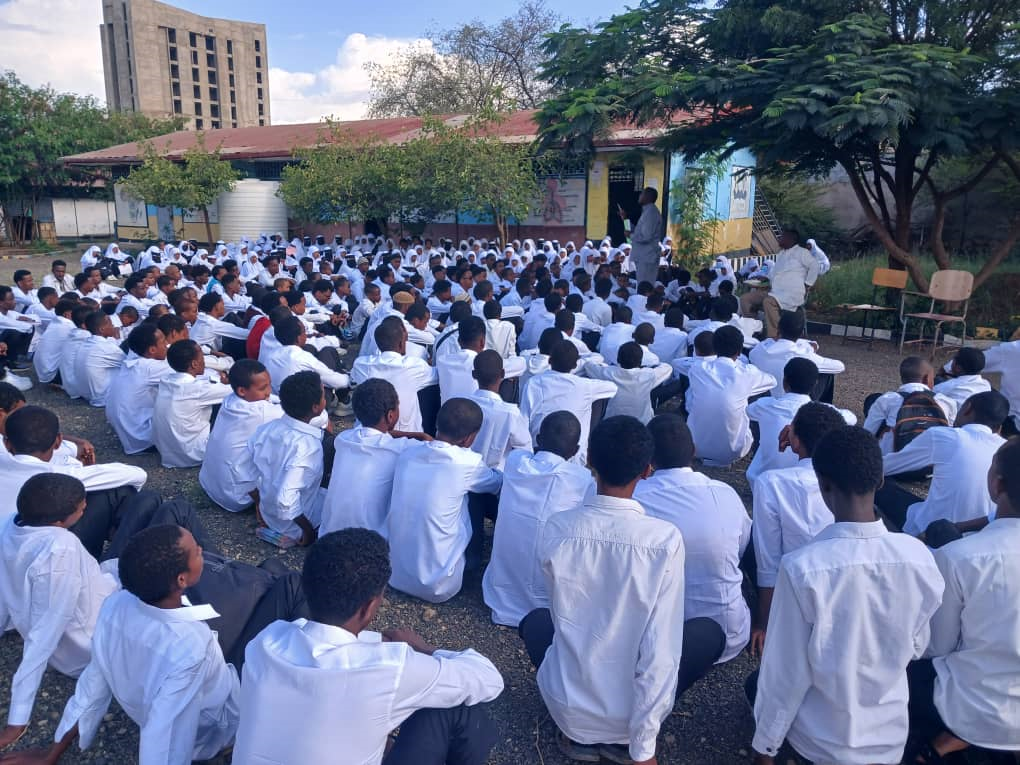
Students Meeting in the school

Student Affairs Meeting

Jigjiga Secondary School was established in 1954 E.C. as one of the earliest modern schools in the region. Since its founding,

Join Now

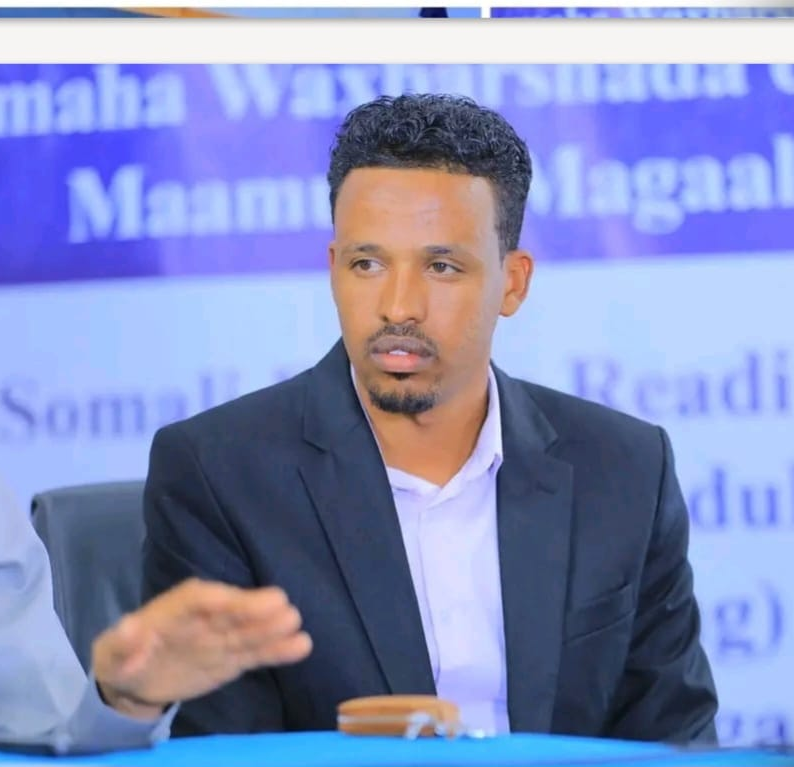
Student With School Director

Jigjiga Secondary School was established in 1954 E.C. as one of the earliest modern schools in the region. Since its founding,

Join Now

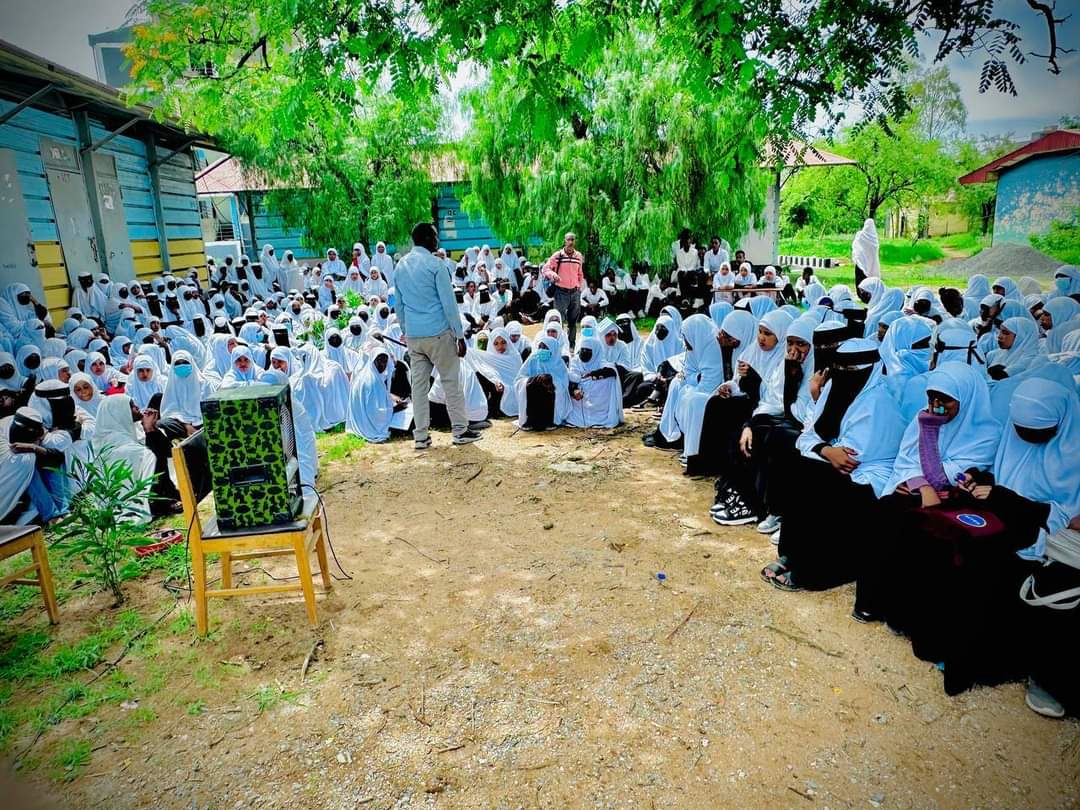
Students With Teachers

Jigjiga Secondary School was established in 1954 E.C. as one of the earliest modern schools in the region. Since its founding,

Join Now

jJigjiga secondary school

What Parents Say!

JSS

JJigjiga Secondary School is one of the longstanding educational institutions in the region, serving the community since its establishment in 1954 E.C.

Get In Touch

Address

Jigjiga, Somali, Ethiopia

Phone

+251 913388268

Newsletter

© JIGJIGA SECONDARY SCHOOL. All Rights Reserved. Designed by Andargie M.
Distributed By: Mohamed Ibrahim